What is milk thistle?
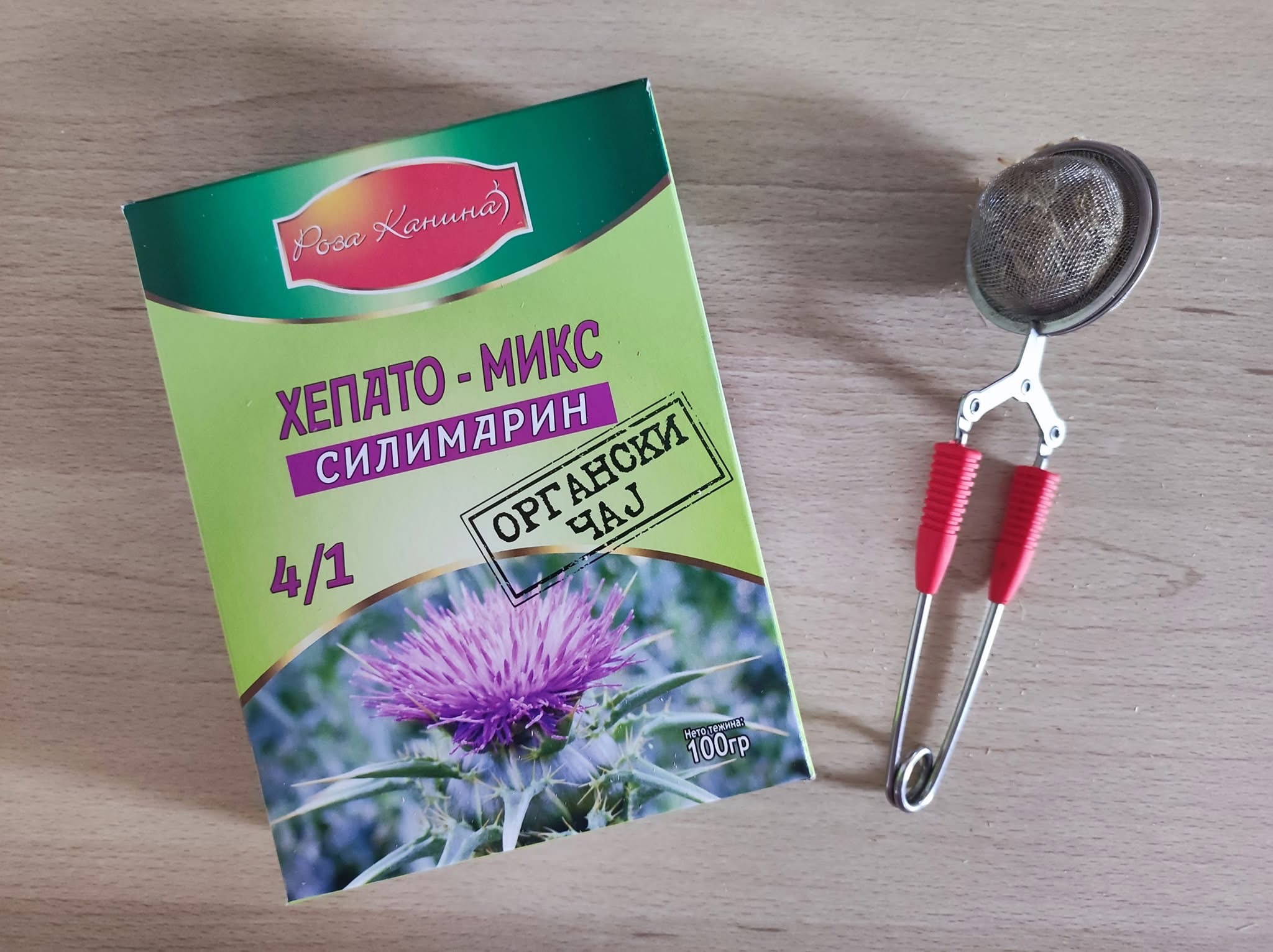
Milk thistle (Silybum marianum) is a plant from the Asteraceae family, recognisable by its large green leaves with whitish markings and purple flowers surrounded by spiny bracts.
The plant has been used in traditional herbal practices for centuries. Its mature fruits are most commonly used and contain a complex of natural compounds known as silymarin.
What is silymarin?
Silymarin is not a single substance but a mixture of several naturally occurring flavonolignans found in milk thistle fruit.
The best-known components include silybin, isosilybin, silychristin and silydianin. Silybin is generally considered one of the most abundant and extensively studied components.
The amount and ratio of these compounds may vary considerably depending on the plant material, processing method and type of product.
Traditional use
In traditional herbal practice, milk thistle has most commonly been associated with nutrition and support of normal liver and digestive function.
In different traditions, the fruit has been used as tea, ground seed, extract or as part of combined herbal preparations.
Such use forms part of traditional herbal knowledge and should not automatically be interpreted as evidence that the plant treats liver disease.
Silymarin and the liver
Silymarin is among the most extensively studied groups of natural compounds derived from milk thistle. Much of the scientific interest has focused on its effects on liver cells and mechanisms related to oxidative stress.
Laboratory and experimental research has described antioxidant and cell-protective properties of certain silymarin components.
However, clinical results in different liver conditions are not consistent and may depend on the condition being studied, dose, formulation and duration of use.
What does antioxidant activity mean?
Reactive molecules are continually produced in the body as part of normal metabolic processes. When their production exceeds the capacity of the body's natural protective mechanisms, a state known as oxidative stress may occur.
Certain compounds in silymarin are studied for their role in antioxidant mechanisms. This does not mean that silymarin should be described as a universal „detox“ or as a substance that independently cleanses the body.
Milk thistle in traditional herbal combinations
Milk thistle is often combined with other plants in traditional herbal blends. The characteristics of such combinations depend on the type and quantity of herbs used, preparation method and form of use.
When combining several herbs, their individual properties, potential interactions and any medication already being used should be taken into account.
How are milk thistle products used?
The method of use depends on the form of the product. Milk thistle may be found in herbal tea blends, as ground seed, standardised extract or dietary supplement.
For finished products, the label, recommended amount and directions provided by the manufacturer should be followed.
Concentrated extracts should not be considered equivalent to a traditional tea or the whole plant because the amounts of active compounds may differ substantially.
Safety and careful use
Milk thistle and silymarin products are generally well tolerated, but some people may experience gastrointestinal discomfort, bloating or other digestive symptoms.
Allergic reactions are also possible, especially in people sensitive to plants from the Asteraceae family, which also includes chamomile, ragweed and related plants.
Silymarin may influence how the body processes certain medicines. People taking regular medication, those with chronic medical conditions, pregnant women and breastfeeding women should consult a doctor or pharmacist before using concentrated preparations.
Lifestyle and liver health
No herb or dietary supplement can replace overall health care. A varied diet, maintaining a healthy body weight, regular physical activity, limiting alcohol and careful use of medicines are important factors in liver health.
Elevated liver enzymes, pain, jaundice or suspected liver disease require medical assessment rather than self-treatment with herbal preparations.
Important information
Milk thistle and silymarin have a long history of traditional use and are the subject of modern pharmacological and clinical research. However, traditional use and laboratory findings do not mean that silymarin products represent a stand-alone treatment for liver disease.
The information on this page is provided for informational and educational purposes and does not constitute medical advice or a substitute for diagnosis, treatment or advice from a qualified healthcare professional.