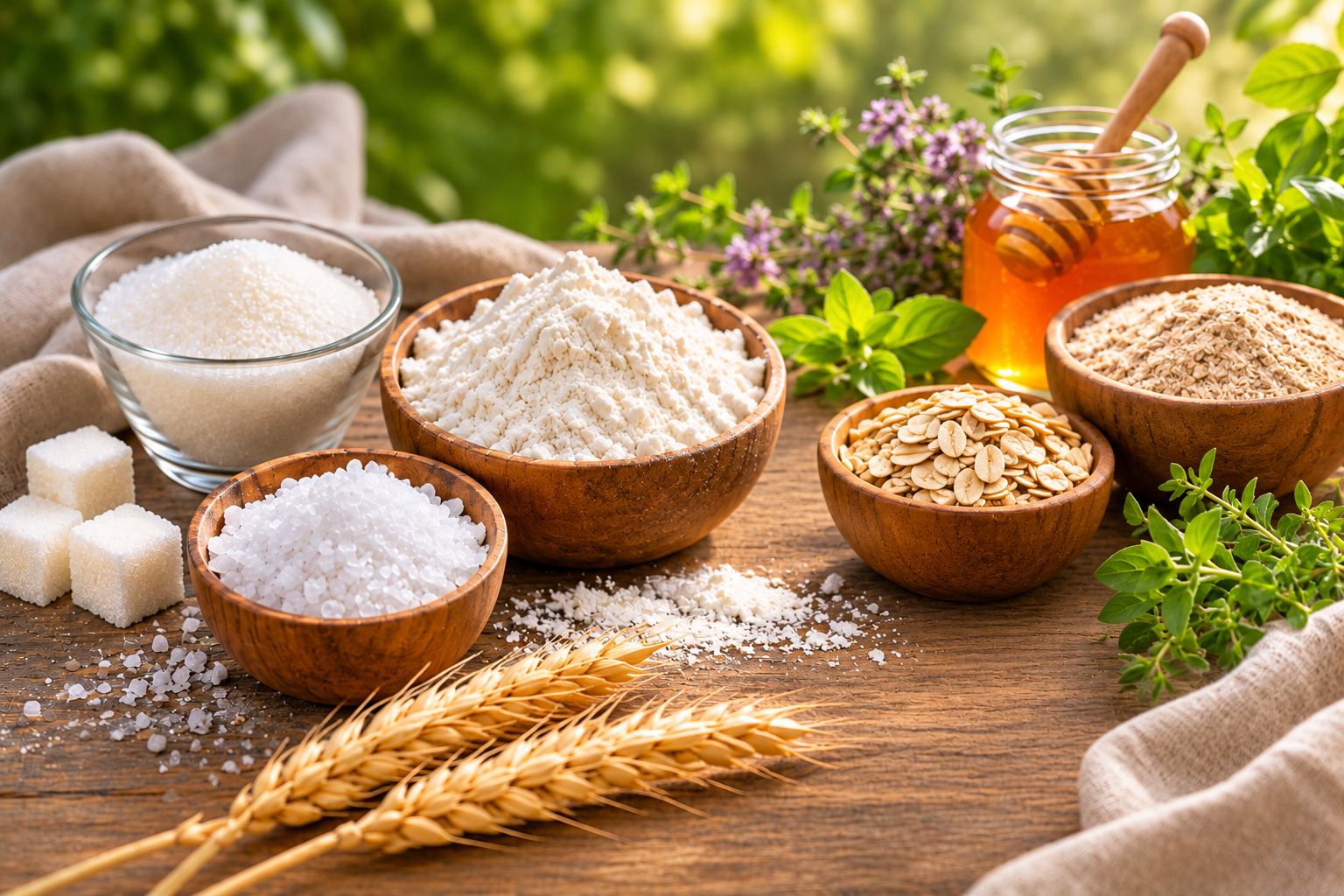
In discussions about healthy eating, the expression "white deaths" is sometimes used. Although it sounds alarming, it is a popular term rather than a scientific classification. It most commonly refers to white sugar, refined flour and salt, ingredients that are part of everyday diets.
These foods are not equally harmful, and consuming them does not automatically pose a health risk. What matters is how often we consume them, in what quantities and what our overall diet looks like.
Instead of strict restrictions and sudden changes, a better approach is to gradually introduce a greater variety of foods and pay more attention to our everyday choices.
Which foods are commonly called "white deaths"?
This expression usually refers to three ingredients that play different roles in our diet.
1. White sugar
Refined white sugar is produced by processing sugar beet or sugar cane. It provides energy but contains virtually no dietary fibre or significant amounts of vitamins and minerals.
Excessive consumption of free sugars, especially through sweetened drinks, sweets and highly processed foods, can contribute to increased calorie intake, tooth decay and adverse health outcomes.
Rather than completely giving up sweet flavours, we can gradually reduce added sugar and choose fresh fruit more often.
2. Refined white flour
During the production of white flour, much of the bran and germ of the wheat grain is removed. This reduces its fibre content and the amounts of certain vitamins and minerals.
Whole grains retain all the main parts of the grain and generally provide more dietary fibre, which supports normal digestion and helps us feel full.
There is no need to eliminate white bread or flour completely. A good start is to choose wholegrain bread, oats and other wholegrain products more often.
3. Excessive salt consumption
Salt is a source of sodium, a mineral essential for maintaining fluid balance and the normal functioning of nerves and muscles.
However, excessive sodium intake can contribute to high blood pressure and an increased risk of cardiovascular disease.
A large proportion of the salt we consume may come from ready-made meals, processed meats, salty snacks and other processed foods.
It is important to know that sea salt, Himalayan salt and regular table salt all contain significant amounts of sodium. The most important step is to limit total salt intake and choose iodised salt for everyday use.
How can we gradually make healthier choices?
Dietary changes do not have to be major or complicated. A few simple choices can help bring more variety and better balance to everyday meals.
Reduce added sugar
Instead of sweetened desserts and drinks, choose fresh fruit, nuts or homemade meals with little added sugar more often.
For a change in flavour, you can occasionally use natural honey, for example with walnuts and cinnamon.
Keep in mind that honey contains free sugars and should also be consumed in moderation. Replacing white sugar with honey does not automatically reduce your sugar intake.
You can find more ideas for simple combinations in our recipes and healthy habits.
Choose more whole grains
When preparing homemade bread, pastries or other meals, try replacing some white flour with whole wheat or rye flour.
Oats, seeds and nuts can also add more variety to breakfast and other meals.
Reduce sweetened drinks
Water is the simplest choice for everyday hydration. For more variety, you can prepare unsweetened herbal tea made with mint, thyme or rosehip.
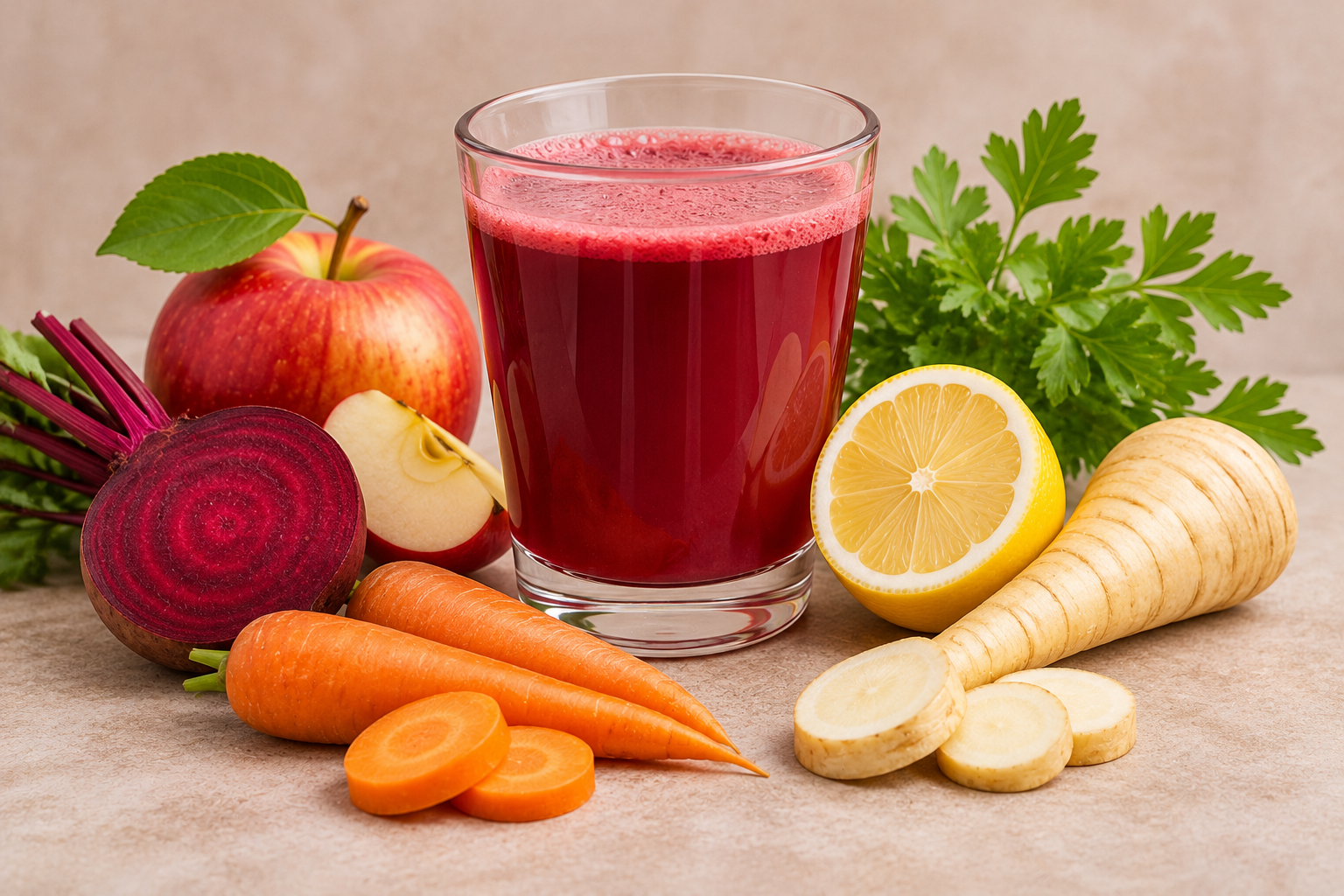
Freshly prepared smoothies can also be part of a varied diet, especially when made with whole fruit and vegetables without added sugar.
Add flavour with herbs
Instead of automatically adding more salt, try enhancing the flavour of your meals with oregano, thyme, rosemary, summer savory, parsley or other aromatic herbs.
Different herbs and spices bring new aromas and allow us to enjoy food with less added salt.
You can read more about the characteristics and traditional uses of plants in our Herbarium.
Small changes are an important part of healthy habits
There is no need to change your entire diet at once. You can start with one habit, such as reducing sugar in your morning drink, choosing wholegrain bread or using more herbs when cooking.
Over time, these choices can become a natural part of everyday life. The goal is not a perfect diet, but variety, moderation and a better understanding of the foods we consume.
Healthy habits begin with small, sustainable choices.
Note: This content is for informational and educational purposes only and does not constitute medical advice. People with diabetes, hypertension, kidney disease or other health conditions should consult a doctor or qualified nutrition professional before making significant dietary changes. Honey must not be given to children under 12 months of age.