About the plant
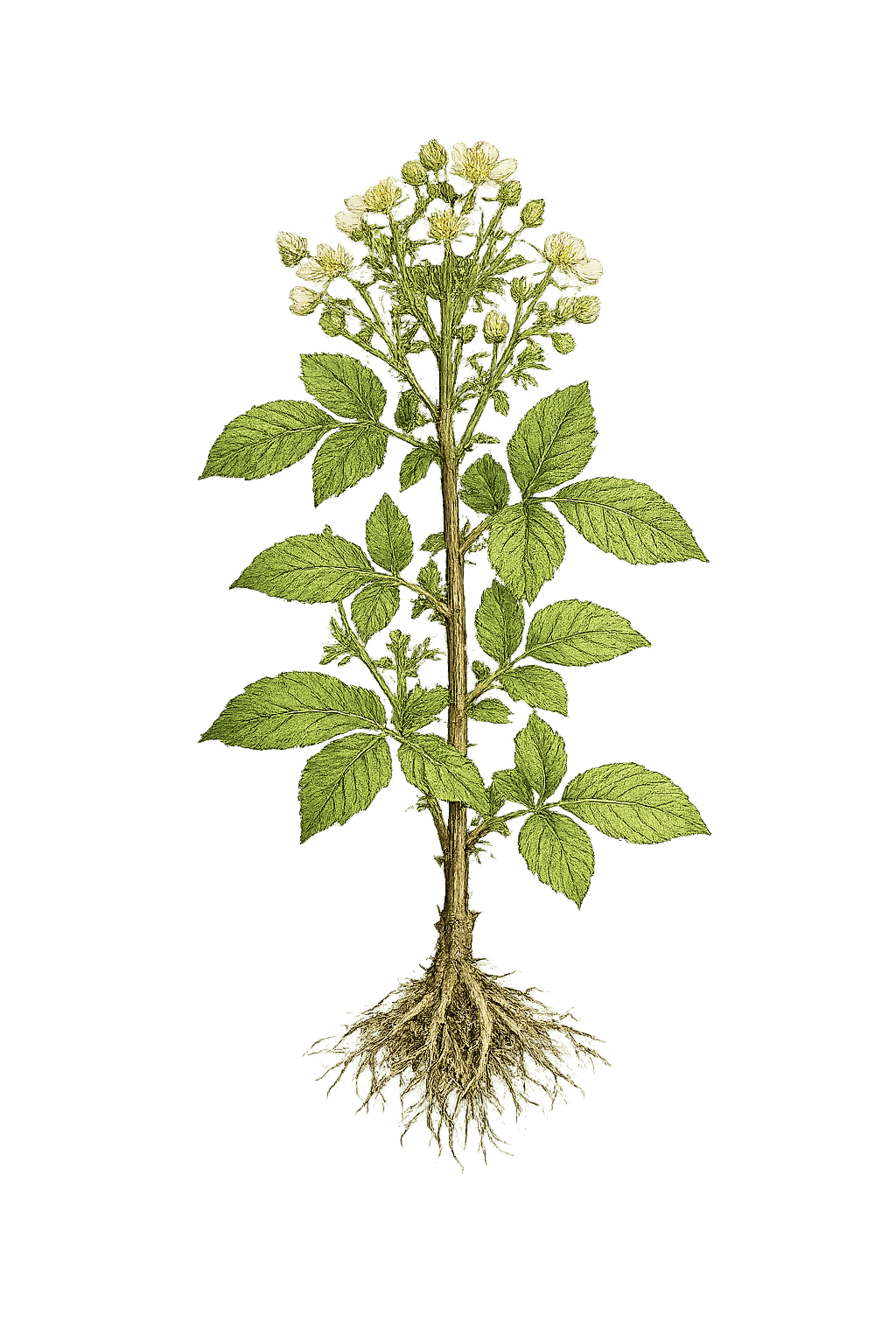
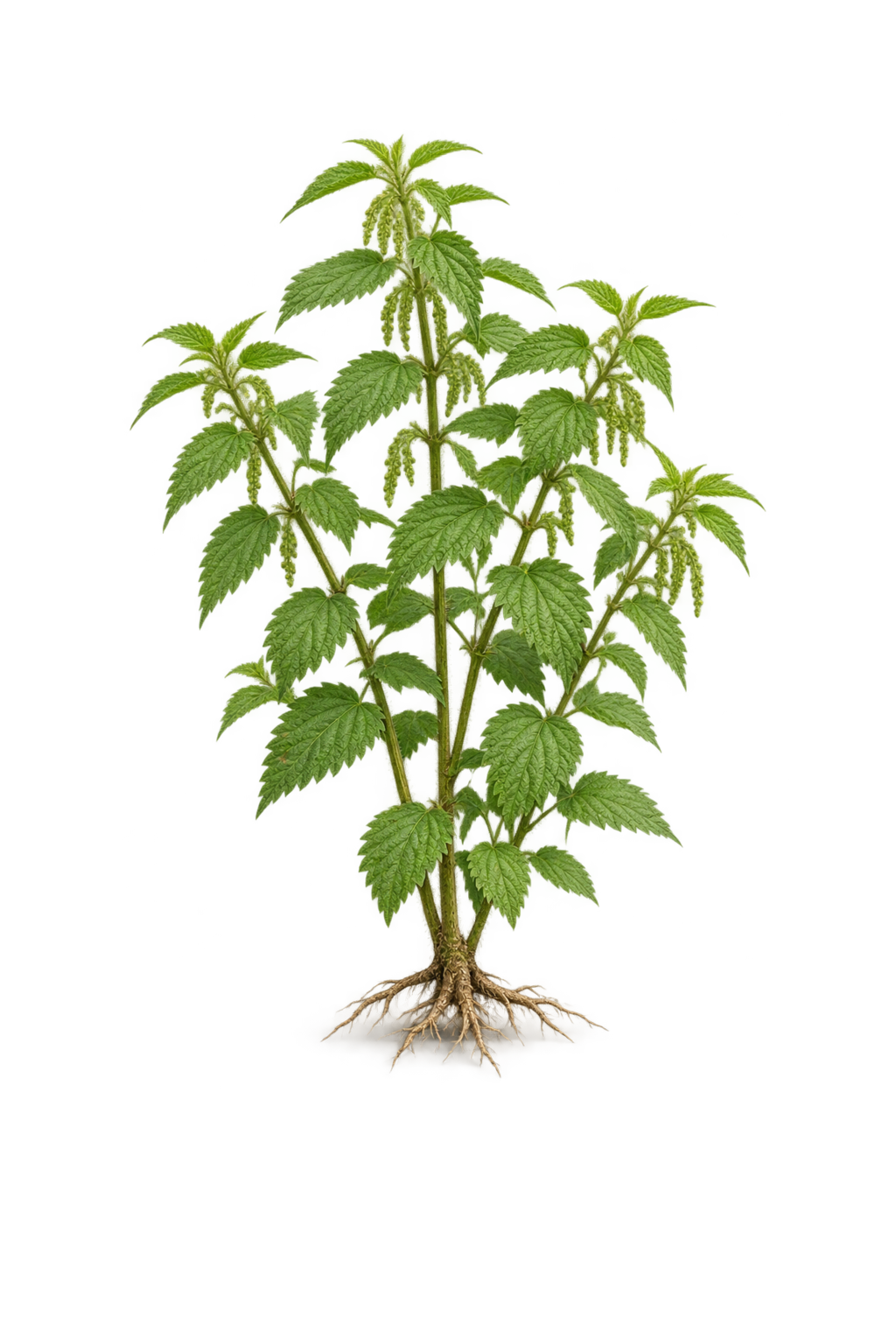
Stinging nettle (Urtica dioica L.) is a well-known herb in which the leaf and root are used differently. The leaf is traditionally used for urinary support, while the root is used in finished products for mild lower urinary tract symptoms associated with benign prostate enlargement.
Traditional use
Traditionally used to support urine output and urinary tract flushing with adequate fluid intake, support normal prostate function, and as a nutritious food when the young leaves are used.
The leaf is used as tea or in blends, while the root is more commonly used in standardized finished products. Adequate fluid intake is important unless restricted by a doctor.
Natural compounds
The leaf contains flavonoids, phenolic acids, chlorophyll and minerals. The root contains sterols, lignans and polysaccharides.
Used in our formulations
- Семе од Коприва
- Fit-Mix
- Prespa Gorčica 500
Interesting facts
The leaf is traditionally used for urinary support
while the root is used in finished products for mild lower urinary tract symptoms associated with benign prostate enlargement.
The leaf contains flavonoids
phenolic acids
chlorophyll and minerals.
References
-
World Health Organization. (2002). WHO monographs on selected medicinal plants (Vol. 2). Radix Urticae, pp. 329–341. WHO.
View source -
World Health Organization. (2010). WHO monographs on medicinal plants commonly used in the Newly Independent States (NIS). Radix Urticae, pp. 407–422. WHO.
View source