What is psoriasis?
Psoriasis is a chronic immune-mediated inflammatory condition that most commonly affects the skin. It typically causes clearly defined red plaques covered with scales, and in some people it may also affect the nails and joints.
The word „psoriasis“ originates from the Greek word „psora“, associated with itching and scaling of the skin.
Genetic predisposition
Psoriasis has an important genetic component. This does not mean that everyone with a family member who has psoriasis will necessarily develop the condition, but a hereditary predisposition may exist.
In people with such a predisposition, the clinical appearance of psoriasis may depend on additional internal and external factors. The condition may therefore remain without visible manifestations for a long period in some individuals.
What may influence onset and flare-ups?
Different factors may contribute to the onset or worsening of symptoms. Commonly recognised triggers include psychological stress, infections, skin injury and irritation, smoking, alcohol, excess body weight and certain medicines.
Triggers differ between individuals, so recognising personal triggers is an important part of long-term care.
What happens in the skin?
In psoriasis, the normal process of epidermal cell renewal is disrupted. Skin cells are produced and move toward the surface much faster than usual.
Instead of gradual skin renewal, this accelerated process leads to the accumulation of cells at the surface and formation of the characteristic thickened plaques and scales.
Immune and inflammatory mechanisms are involved, which is why psoriasis is now understood not merely as a local skin problem but as an immune-mediated inflammatory condition.
Psoriasis and the whole body
Although the most visible changes occur on the skin, the modern understanding of psoriasis is broader. In some people it may be associated with inflammatory processes elsewhere in the body and with other health conditions.
Particular attention is required if joint pain, stiffness or swelling occurs, because some people with psoriasis may develop psoriatic arthritis.
Psychological factors and stress
Psoriasis may significantly affect psychological and emotional well-being. Visible skin changes, its chronic course and periods of flare-up can lead to discomfort, insecurity or social withdrawal.
Stress may at the same time contribute to worsening symptoms in some individuals. Stress management, adequate sleep, physical activity and psychological support may therefore form part of overall care.
Medical treatment
Treatment depends on the type, extent and severity of psoriasis, involvement of the nails or joints and the individual's overall health.
Medical treatment may include topical preparations, phototherapy, systemic medicines or biologic therapy. An appropriate treatment plan should be determined by a dermatologist.
Traditional and alternative perspectives
Traditional and alternative approaches often consider psoriasis from a broader lifestyle perspective, paying attention not only to local skin care but also to overall habits and well-being.
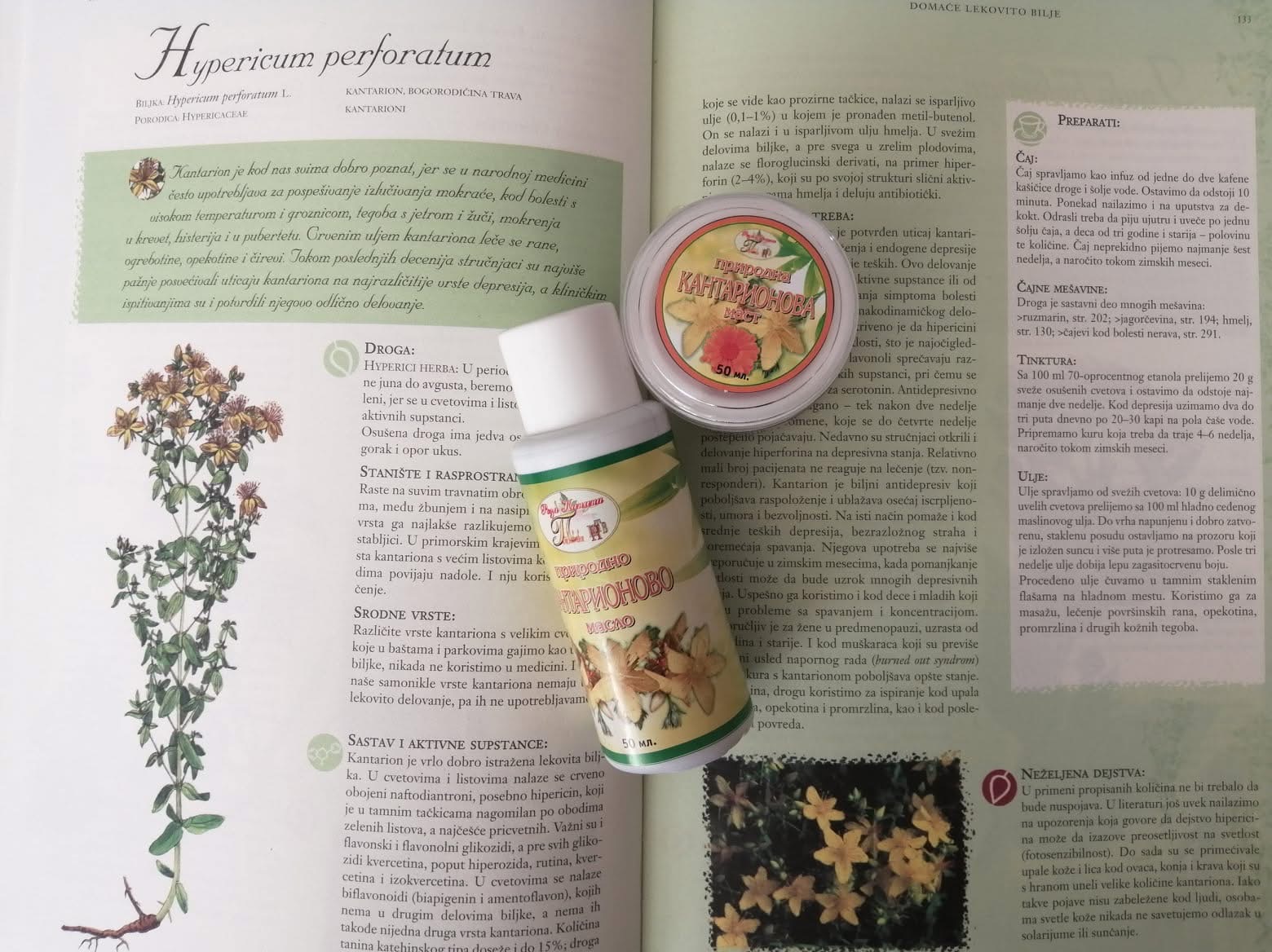
These approaches traditionally consider nutrition, psychological well-being, stress, physical activity, maintaining a healthy body weight and the use of certain herbal products and natural skin-care preparations.
Such approaches may only have a supportive role and should not be regarded as a replacement for dermatological assessment or medical treatment.
Nutrition and lifestyle
There is no single specific diet that cures psoriasis. However, a varied and balanced diet, maintaining a healthy body weight, regular physical activity, limiting alcohol and avoiding smoking may form part of a healthy lifestyle.
If a person repeatedly notices that a particular food appears to coincide with worsening symptoms, this can be discussed with a doctor or qualified nutrition professional before excluding whole food groups.
Natural skin care
Regular moisturising may help reduce dryness, tightness and scaling. Aggressive scratching and mechanical removal of scales should be avoided because injury to the skin may cause further irritation.
Herbal products, natural oils and ointments should be used carefully. „Natural“ does not mean that a product cannot cause irritation or an allergic reaction, particularly when the skin is inflamed or damaged.
When should medical advice be sought?
Medical or dermatological assessment is needed if the changes spread rapidly, severe pain develops, there are signs of infection, the nails or joints are affected or the condition has a significant impact on everyday life.
Important information
Psoriasis is not contagious and cannot be transmitted from one person to another. It is a chronic condition with periods of improvement and flare-up, but in many people it can be effectively managed with individually selected medical treatment, appropriate skin care and healthy lifestyle habits.
Information about natural and alternative approaches on this page is provided for informational and educational purposes and does not constitute medical advice or a substitute for diagnosis and treatment by a qualified healthcare professional.